L-W-O Community supports primary and secondary lymphoedema by promoting emotional wellness, lymphatic health, self-care, patient empowerment, online and in the community.


What is Lymphoedema?
There are two types of lymphoedema: Primary and Secondary.
I was never informed of the type of lymphoedema I had, and I didn't realise I had secondary lymphoedema until I began running L-W-O Community.
Lymphoedema is a chronic long-term disease that causes swelling in the body’s tissues. Lymphoedema patients mistakenly believe that it just affects their limbs, as do some medical professionals. However, it can also affect the breast, head, neck, or genitalia.
Many of us are unaware of the fact that our bodies include clusters of lymph nodes that are connected by a system of lymphatic vessels called the lymphatic system. White blood cells and antibodies are transported to your organs and tissues by the intricate network of ducts and capillaries that makes up your lymphatic system. Your immune system is strengthened by these cells and antibodies, which also aid in preventing infections.
To transfer the lymph through the veins, the lymph system must rely on muscle movements and drinking water. Dehydration makes lymph thick and sticky, leading to congestion and slow movement. Water intake keeps the fluid thin, allowing it to move smoothly through the vessels. Stress, exhaustion, inactivity, cold temperatures, infection, and chemical or food additives, as well as age, can all slow down the body's normal lymphatic flow.
When the lymphatic system is unable to remove excess fluid due to disrupted lymphatic pathways, swelling from fluid becomes uncomfortable and painful.
It is crucial that lymphoedema is identified and treated as soon as possible to prevent it from getting worse and avoid damaging the lymphatic system further. Lymphoedema can be detrimental to both physical and emotional health, and it is crucial to find support to improve your lymphatic health and wellbeing.

Unfortunately, there is no simple solution. Lymphoedema can arise for different reasons, and while there are two main types, 'primary and secondary', other factors can also contribute to its development. In the next section, I explore these two types in more detail. It also remains unclear why some people develop lymphoedema while others do not, even when exposed to similar risks.
Below is a brief look at the types of lymphoedema with links for further reading.
Usually due to genetic underdevelopment or weakened lymph-conducting channels, primary lymphoedema arises from a defect in the lymphatic system. Men, women, and children of any age can be impacted by this Read more...

Above poster source: Dr. Kristiana Gordon, Lymphoedema Service, St. Georges, London, presented at BLS Conference 2018
There are two main types of lymphoedema; if only it were that simple.
Lymphoedema is grouped into primary and secondary types. The difference lies in why the lymphatic system isn’t working properly.
Primary Lymphoedema
Primary lymphoedema happens because the lymphatic system didn’t develop in the usual way. This can mean:
-
Lymph vessels are too small
-
There are fewer vessels than normal
-
Lymph nodes didn’t form correctly
These changes are present from birth, but swelling may not appear until later in life. It often shows up:
-
In childhood
-
During puberty
-
In early adulthood
Primary lymphoedema is not caused by anything the person did. It’s simply how their lymphatic system developed.
Secondary Lymphoedema
Secondary lymphoedema is much more common. It develops when the lymphatic system is damaged or overwhelmed by something else, such as:
-
Cancer treatment (surgery or radiotherapy)
-
Infection from bites, cuts, grazes that may lead to cellulitis or sepsis
-
Trauma or injury
-
Chronic venous insufficiency
-
Obesity
-
Inflammation or long-term immobility
In this case, the lymphatic system was once healthy but can no longer drain fluid effectively.
Spotting the Early Signs of Lymphoedema
Spotting the early signs of lymphoedema often begins with a quiet sense that something isn’t quite right. Through my work with L‑W‑O Community, I’ve met countless people who’ve lived through the uncertainty of wondering whether they have lymphoedema, and sadly, for many, a clear diagnosis can take years.
Primary lymphoedema, in particular, is often slow to be recognised, especially when symptoms are subtle or dismissed. Secondary lymphoedema tends to be diagnosed more quickly, especially following cancer treatment, as patients are usually still under the care of an oncologist for up to five years. That continuity can make all the difference.
I have learned to listen to my body, and I share some of the signs for you to look out for. Whether it’s a feeling of heaviness, tightness, or swelling that comes and goes, your experience is valid. Trust your instincts, and seek support.
Spotting the Signs of Lymphoedema
Lymphoedema usually develops gradually, and the earliest clues can be easy to overlook. Many people describe a sense that “something just feels different” long before visible swelling appears. Common early signs include:
-
A feeling of heaviness or tightness in an arm, leg, hand, foot, breast, or another affected area.
-
Clothing, jewellery, or shoes feeling tighter even when your weight hasn’t changed.
-
Subtle swelling that comes and goes, especially at the end of the day.
-
Skin changes, such as puffiness, reduced softness, or a feeling that the skin is firmer than usual.
-
Reduced movement or flexibility, particularly in the wrist, ankle, or fingers.
-
Aching, tingling, or discomfort without an obvious cause.
-
Indentation marks from socks, sleeves or underwear that linger longer than expected.
These signs don’t confirm lymphoedema, but they are worth paying attention to, especially if you’ve had cancer treatment, surgery, radiotherapy, trauma, or infection or have a known lymphatic condition.
Early recognition means earlier support, and that can make a meaningful difference to comfort, confidence, and long‑term management. If someone notices these changes, seeking guidance from a qualified lymphoedema professional is the safest next step.

Chronic Oedema
The phrase "chronic oedema" refers to chronic illnesses that include the build-up of fluid and for which there is no known cure. The impact of chronic oedema on both the emotional and physical wellbeing of a person’s life should not be underestimated.
Chronic oedema is classified as oedema that has been present for more than three months. It may coexist with lymphoedema but may be complicated by the following:
-
cardiac failure
-
immobility
-
venous disease
Immobility is likely to lead to oedema.
However, one of the known causes of lymphoedema is obesity. Fluid retention should not be ignored under any circumstances.
Controlling long-term illnesses can be enhanced if clinicians and patients come to an agreement on a care plan. However, it's crucial to understand that patients need to be motivated and given sound knowledge to support their own care.

Oedema is aggravated by:
-
standing or sitting in the same position for too long
-
eating too much salty food
-
being overweight
-
being pregnant
-
taking certain medicines, such as some blood pressure medicines, contraceptive pills, hormone therapy, antidepressants, or steroids
For further information on oedema in ankles and legs, visit this NHS information page.
-
“Not all oedema becomes lymphoedema. But all oedema begins with the lymphatic system under pressure.”
-
“Swelling starts small. Swelling starts silently. Swelling starts when the lymphatic system struggles.”
Cellulitis and Lymphoedema
A guide to understanding infection and staying safe
Living with lymphoedema means getting to know your body in a new way. One of the most important things to understand is cellulitis, a type of skin infection that can happen more easily when the lymphatic system isn’t working as it should. Knowing the signs, acting quickly, and caring for your skin can make a huge difference.
What is cellulitis?
Cellulitis is a bacterial infection of the deeper layers of the skin. It usually appears suddenly and can spread quickly if not treated. Anyone can get cellulitis, but people with lymphoedema are more at risk because swelling makes it harder for the body to fight infection.
Why does lymphoedema increase the risk?
The lymphatic system helps protect the body from infection. When lymphoedema is present:
-
Fluid builds up in the tissues
-
Skin can become dry or fragile
-
Even tiny breaks in the skin can let bacteria in
-
The immune response in the swollen area is reduced
This combination makes it easier for bacteria to take hold.
What does cellulitis look and feel like?
Cellulitis often develops quickly. Common signs include:
-
Redness or a patch of skin that spreads
-
Heat in the affected area
-
Pain or tenderness
-
Swelling that suddenly worsens
-
Flu‑like symptoms such as fever, chills, or feeling unwell
Not everyone gets all these symptoms, but any sudden change should be taken seriously.
What should I do if I think I have cellulitis?
Cellulitis is a medical emergency for people with lymphoedema.
If you suspect it:
-
Seek medical help immediately
-
Start antibiotics as soon as possible (your GP, urgent care, or hospital can prescribe them)
-
Rest the affected limb and keep it supported
-
Continue wearing compression only if advised; sometimes it may need to be paused temporarily
Early treatment helps prevent complications and reduces the risk of long‑term worsening of lymphoedema.
Why does cellulitis matter so much?
Repeated episodes of cellulitis can:
-
Increase swelling
-
Cause more damage to the lymphatic system
-
Make lymphoedema harder to manage
-
Lead to hospital admission
This is why prevention and early action are so important.
How can I reduce my risk?
Daily habits can help protect your skin and lower the chance of infection:
-
Moisturise regularly to prevent cracks and dryness
-
Protect your skin from cuts, bites, burns, and scratches
-
Treat fungal infections (such as athlete’s foot) promptly
-
Keep nails clean and trimmed
-
Wear well‑fitting footwear to avoid rubbing
-
Use gloves for gardening or household tasks
-
Manage swelling with compression and movement
Small steps really do make a big difference.
What about antibiotics to keep at home?
Some people with recurrent cellulitis may be advised by their healthcare team to keep a “rescue pack” of antibiotics at home. This is a clinical decision and should always be discussed with a GP or lymphoedema specialist.
Can cellulitis be prevented completely?
No prevention method is perfect, but good skin care, compression, and early action significantly reduce the risk. Many people with lymphoedema go years without an episode once they understand how to protect their skin.
The British Lymphology Society (BLS) and The Lymphoedema Support Network have co-produced a document, "Guideline on the Management of Cellulitis in Lymphoedema".

This photograph shows one of the most severe cases of cellulitis I’ve encountered. The individual required hospitalisation but, thankfully, went on to make a full recovery.
Diuretics
Diuretics are ineffective for lymphoedema because they target water retention, not the protein-rich lymphatic fluid that causes swelling. Their use can lead to dehydration and electrolyte imbalance without addressing the underlying lymphatic dysfunction.
Why Diuretics Miss the Mark
-
Lymphoedema is not typical oedema: Unlike heart or kidney-related swelling, lymphoedema involves the buildup of protein-rich lymphatic fluid in tissues due to a compromised lymphatic system.
-
Diuretics act on the kidneys: These medications increase urine output by removing sodium and water, which may reduce general fluid retention but do not affect lymphatic fluid.
-
Temporary relief, long-term risk: Some patients may experience short-lived reduction in swelling, but this is superficial. Diuretics do not improve lymphatic drainage and may worsen fatigue and skin integrity through dehydration.
-
Evidence-based care prioritises lymphatic therapies: Treatments like manual lymphatic drainage (MLD), compression garments, movement, and skin care are proven to support lymph flow and reduce symptoms.
Clinical Consensus
-
Not recommended for routine use: Diuretics are not part of standard lymphoedema management protocols and may even exacerbate symptoms in some cases.
-
Specialist input is essential: a lymphoedema-trained clinician can tailor care to the individual's needs, focusing on sustainable, non-pharmacological strategies.
Proviso on the Use of Diuretics
While diuretics are not effective in treating lymphoedema and are not recommended for routine management of this condition, there are circumstances where a healthcare provider may prescribe them. Diuretics can be appropriate for individuals who have other medical conditions, such as heart failure, kidney disease, or certain metabolic disorders, where managing fluid balance is clinically necessary.
Any decision to use diuretics should be guided by a qualified healthcare professional who can assess the full clinical picture and ensure safe, appropriate care.
Manual Lymphatic Drainage (MLD)
Manual lymphatic drainage techniques can remove a significant amount of congestion from affected areas.
Healthcare practitioners with the necessary training do manual lymphatic drainage (MLD).
Ask your healthcare provider to demonstrate basic self-lymphatic draining techniques for you to perform at home. Then, this will become a regular component of your self-care regimen.
Note: I use the term 'self-lymphatic drainage' (SLD), whereas in the past it has been referred to as 'simple lymphatic drainage'.
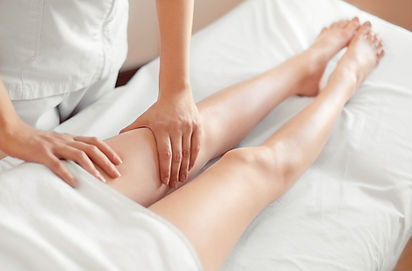
What to look for in an MLD therapist
Across the internet, you’ll often see people advertising “lymphatic drainage massage” after completing a short online course. Unfortunately, this does not make them qualified to perform manual lymphatic drainage (MLD).
A properly trained MLD therapist has an in‑depth understanding of lymphatic anatomy, including how it changes, and they will have trained for years in one of the four recognised schools. Their qualifications and insurance can be checked and verified, and their work is recognised by GPs, surgeons, and other healthcare professionals.
A qualified therapist won’t just deliver lymphatic drainage; they’ll also be able to spot early signs of complications and know when to refer someone for medical support. They are required to update their training every two years, ensuring their skills remain current and safe.
When it comes to lymphatic health, expertise matters, and your body deserves nothing less.

Myth Busting
I was initially given a list of dos and don'ts, the majority of which had no clear medical or scientific justification. L-W-O Community enjoys debunking myths; thus, we will do so whenever we can.
Your priorities are:
#GetMoving
#Hydration
Specialised massage - Manual Lymphatic Massage (MLD)
Self/Simple Lymphatic Drainage (SLD)
Don't allow your lymphoedema to define who you are; do everything you can to overcome it. To prevent infection, take sensible precautions. Be kind to yourself and take care of your health. We are available to help. Join our support group.

Myth‑busting in lymphoedema is one of those conversations that can genuinely change lives. After years of gently but firmly correcting misinformation, I’ve learned how powerful clear, compassionate guidance can be. At L‑W‑O Community, we always come back to one core belief: personal choice matters. What helps one person may not suit another, and that’s not a failure, it’s simply the reality of living with a complex condition.
Our role is to give you the knowledge, confidence, and support to make decisions that feel right for you. With that in mind, the list below is designed to untangle some of the misunderstandings you may have encountered at diagnosis and to offer reassurance rooted in lived experience and community wisdom.
Myth-Busting in Lymphoedema – a clear, accessible set of truths that cut through the noise.
Myth 1: “Lymphoedema is rare.”
Fact: It’s far more common than people realise. Primary and secondary lymphoedema affect 250 million worldwide. There are estimated to be 450,000 in the UK living with lymphoedema, but underdiagnosis and inconsistent awareness make it seem rare.
Tip: Learn as much as you can about this condition. Become the educator.
Myth 2: “Only cancer patients get lymphoedema.”
Fact: Cancer treatment is one cause, but not the only one. Trauma, surgery, infection, venous disease, obesity, and genetic factors can all lead to lymphoedema.
Tip: Build small, consistent routines that support your lymphatic system.
Myth 3: “It’s just swelling: nothing serious.”
Fact: Lymphoedema is a chronic, progressive condition. Without proper management, it can lead to pain, mobility issues, skin changes, and recurrent infections.
Tip: Listening to your body, noticing what feels good and what doesn’t, and adjusting without guilt.
Myth 4: “Exercise makes lymphoedema worse.”
Fact: Movement is one of the most powerful tools for managing lymphoedema. Gentle, regular exercise supports lymph flow, reduces stiffness, and improves wellbeing.
Tip: Regular movement throughout the day, even a few minutes at a time, helps keep lymph flowing.
Myth 5: “Compression garments cut off circulation.”
Fact: Correctly fitted compression supports lymphatic return; it doesn’t restrict healthy circulation. Poorly fitted garments can cause problems, but professional fitting makes all the difference.
Tip: there is no one‑size‑fits‑all approach. Compression is a tool, and like any tool, it should be shaped around the person using it.
Myth 6: “Lymphoedema can be cured.”
Fact: There’s no cure yet, but there are effective ways to manage symptoms, reduce swelling, and improve quality of life. Self‑care is central, and patients deserve long‑term support.
Tip: Create a routine with whatever self‑care you choose, compression, elevation, gentle stretches, or rest, so it becomes part of your day rather than a burden.
Myth 7: “You caused your lymphoedema.”
Fact: Lymphoedema is never the patient’s fault. It’s a medical condition, not a personal failure. Shame and blame only delay diagnosis and support.
Tip: Give yourself permission to let go of blame and focus on what supports you.
Myth 8: “Flying, heat, or weather changes always make it worse.”
Fact: These factors can influence symptoms, but with preparation, self‑care, and wearing your compression, many people travel, enjoy holidays, and live full lives.
Tip: If you are flying, pre-book seats and ask for extra legroom.
Myth 9: “You shouldn’t wear jewellery, shave, or have beauty treatments.”
Fact: Caution is sensible, but blanket bans are outdated. With good skin care, hygiene, and professional advice, many people safely enjoy these activities.
Tip: If you go for a beauty treatment, check out the beautician's qualification.
Myth 10: “Children don’t get lymphoedema.”
Fact: Children and young people do develop primary lymphoedema. Families often struggle for years before receiving a diagnosis.
Tip: As a parent, trust your instincts and keep advocating, even when the path feels slow.

One of my proudest moments was meeting Beverley de Valois. Before I ever developed lymphoedema, I regularly had acupuncture and found it incredibly helpful. When I was diagnosed, I stopped completely because I believed the guidance meant no acupuncture at all. In reality, it simply means avoiding any needling on the affected or at‑risk area.
Talking with Beverley and then having acupuncture from her at #BLS2023 was a revelation. I learned that acupuncture is still an option. Skilled acupuncturists know how to adapt treatment safely, working around areas that shouldn’t be needled.
It felt important to bust this myth, not just for me but for others who may have given up acupuncture unnecessarily.
Beverley and I worked with the British Lymphology Society to clarify the message, and this myth is now included in the BLS myth fact sheet.
Management and Treatment of Lymphoedema


Manual Lymphatic Drainage (MLD)
In the advanced therapy known as manual lymphatic drainage (MLD), the skin is moved in the direction of lymph flow using a variety of specialised, mild rhythmic pumping techniques.
This activates the lymphatic vessels, which transport elements crucial to the body's defence and remove waste.

Simple Lymphatic Drainage (SLD)
Include self/simple lymphatic drainage (SLD) in your self-care regimen.
Ask your nurse practitioner or therapist to demonstrate SLD so that you can do this at home. This massage takes about 20 minutes and is based on the more advanced MLD techniques.
To ensure regular lymphatic system stimulation, try to perform SLD at the same time each day. You can perform the massage with or without wearing your prescribed compression garments.

When you see your nurse practitioner/therapist for the first time your affected limb will be measured for compression hosiery which will help you maintain your swelling.
This works by putting pressure on the tissues to stop the build-up of fluid and helps the fluid drain from your affected limb.

Compression Pumps
Compression Pumps 'squeeze' a swollen limb in a sleeve or boot which inflates and deflates at regular intervals.
Lymph can be moved from the limb quite quickly, but it may collect in the trunk of the body causing discomfort.
Lymph may also return to the limb when the pump is removed. However, a pump may help to soften the tissues of the limb and for this reason your therapist would recommend usage.
Modern style compression pumps can mimic MLD.

Deep Oscillation
DOT is a patented electrostatic lymphatic massage therapy and clinically proven. The DOT Personal Unit is treatment that is delivered through light vinyl gloves or via special applicators when self-treating. This enables the user in self-management to reduce swelling, pain and can give a feeling of wellbeing.
The DOT can reduce pain, help with fibrosis, and scar tissue. The treatment is gentle, and the relaxing vibrations can penetrate to a depth of 8 cm this includes all tissue layers including the connective tissue.
Join our Support Group

Page first created September 2013
Last updated 09/02/2026
Next review September 2028